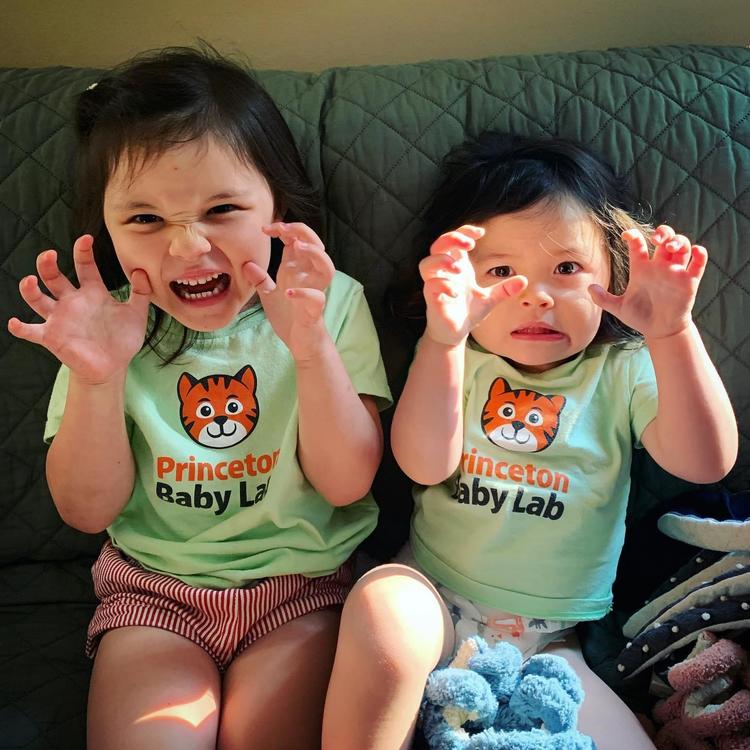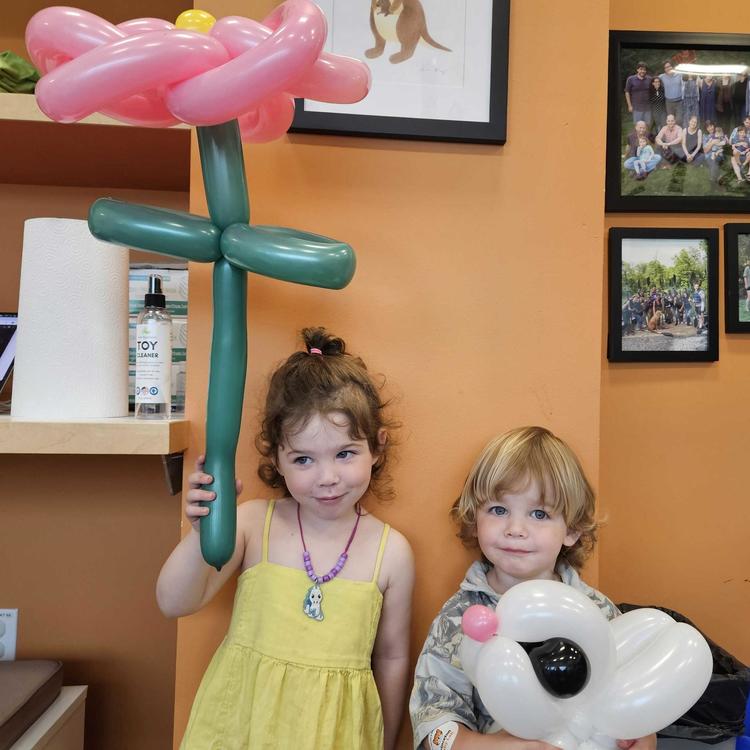
Our research is important for many reasons. It helps us understand how the developing mind works, how biology and experience shape our lives, how caregivers can best support children’s development, and how we can help children at-risk for poor developmental outcomes. Our main goal is to develop a scientific understanding about how children develop, but our science is useful beyond the geographic and digital borders of universities: it helps us figure out how to improve children’s developmental outcomes.
We wish to acknowledge that the land on which we gather to work, study, and learn is part of the unceded territory of the Nanticoke Lenni-Lenape Tribal Nation.
Research Questions
These questions do not represent all areas of interest in our lab, but they capture questions that we are currently working on:
- How do young children learn words?
- How do children's experiences help them learn language?
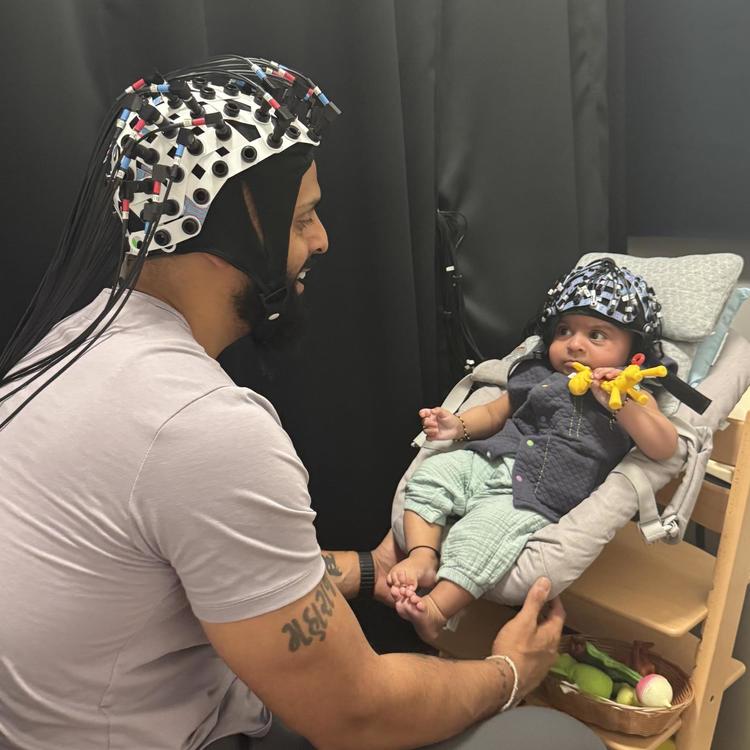
- How do baby brains and parent brains interact during play?
- How do Bilingual children learn two languages?
- What can we learn about child development from home recordings?
Participate
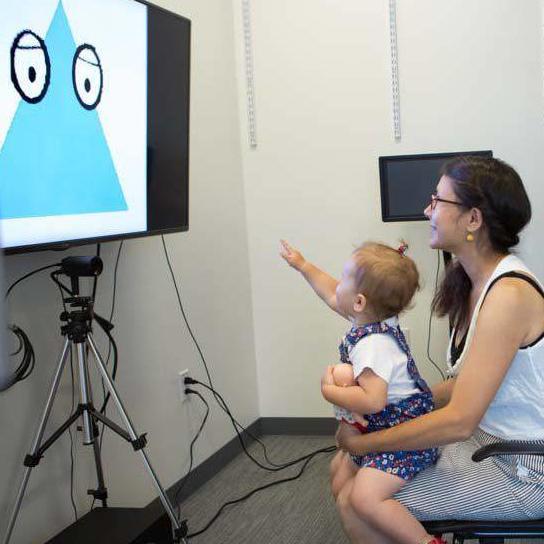
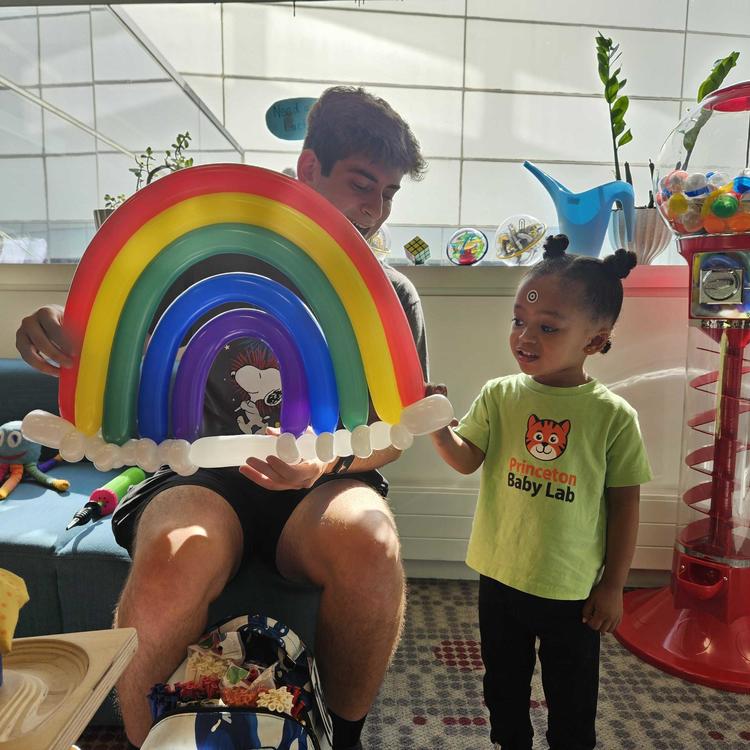
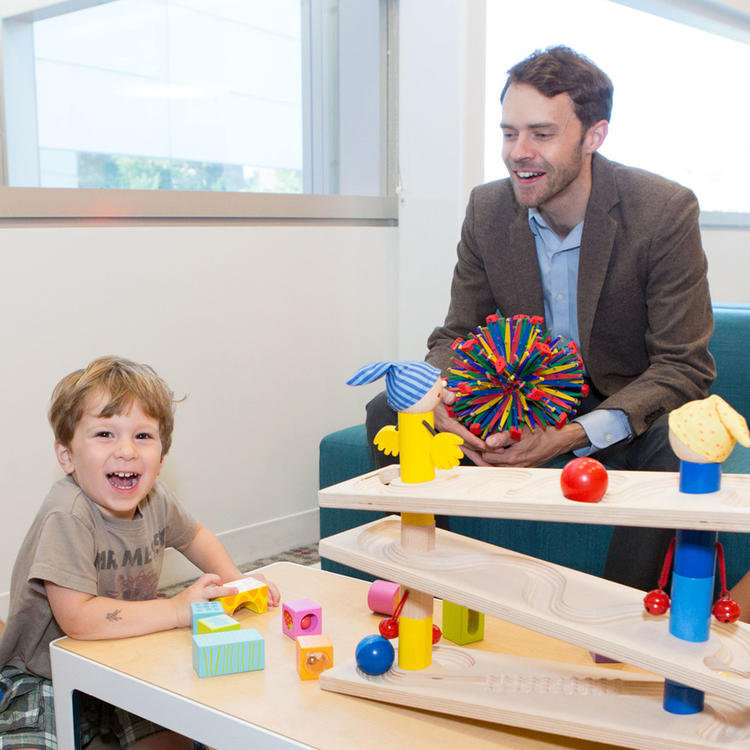
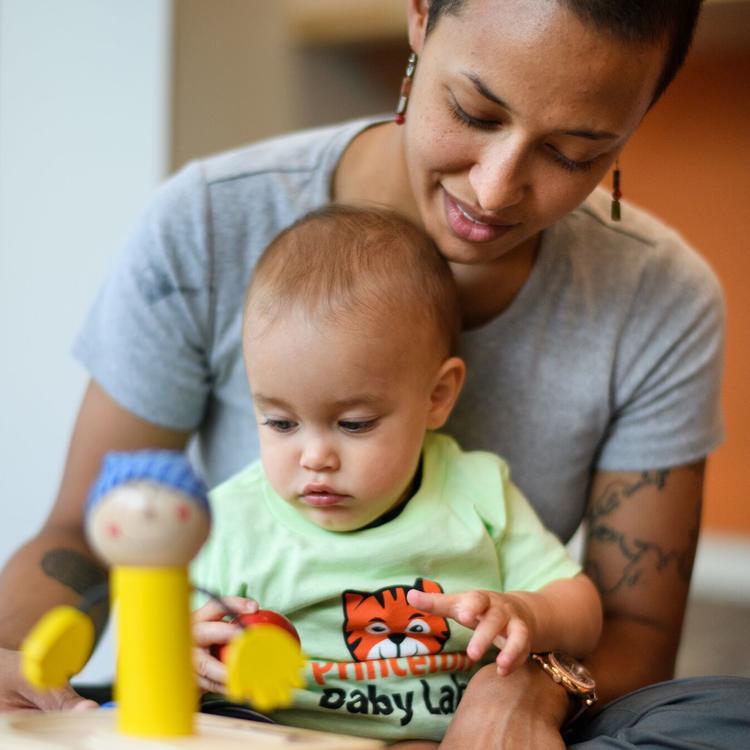
Our studies are designed to be fun and engaging for your child! Appointments are usually 30-45 minutes long. Studies usually entail your child hearing sounds or seeing pictures or a play session with one of our researchers. During some studies we will video tape your child so that we can watch and determine what your child learned from the study.