

Lab Director
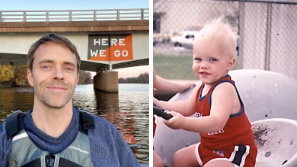
Ph.D., 2009, Stanford University
Prof. Casey Lew-Williams studies how babies learn, with a particular focus on language and communication. He is interested in how babies learn and generalize patterns, how toddlers efficiently process what their parents say, how home language experience shapes learning, and why some children learn more easily than others. He studies various populations — including children learning two languages and children growing up in poverty — to ask questions about the foundations and high-stakes consequences of early learning.
Research Staff
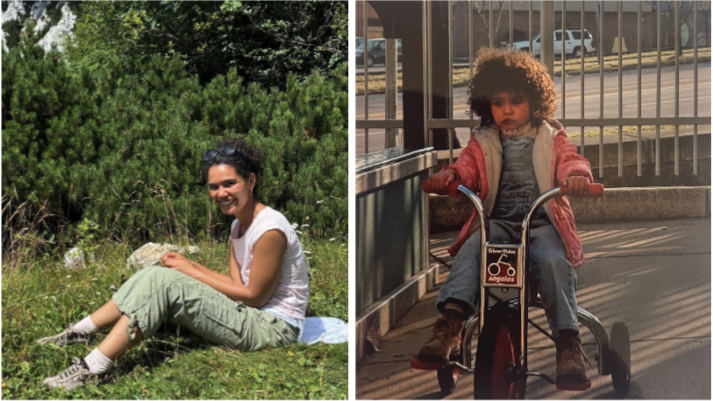
B.A. Neuroscience and Cognitive and Linguistic Sciences, 2026, Wellesley College
Sabine is interested in how children acquire semantic meaning in naturalistic contexts, specifically how they integrate multimodal contextual and linguistic cues, including speech, visual information, gestures, and social cues, to construct and refine word meanings. She previously studied word order in manual communication under Dr. Jennie Pyers at Wellesley College. Outside the lab, Sabine enjoys knitting, hiking, playing Sudoku and the Minute Cryptic.
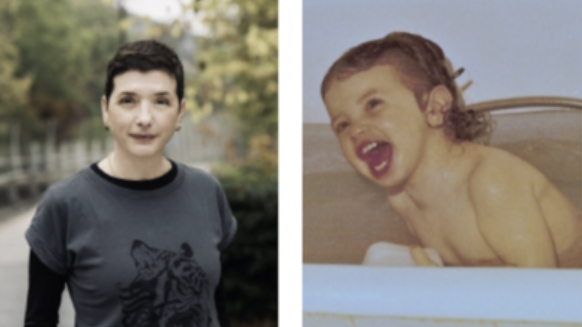
Ph.D., 2011 Jerusalem
Liat has completed her PhD on learning and motivation in early childhood. At Ariel Knafo-Noam's Social Development Lab in Jerusalem, she learned how to use behavioral genetics to investigate the interplay of nature and nurture in the development of prosocial behavior and the emergence of values. This work has ignited Liat's keen interest in the question of how knowledge is transmitted across time, from generation to generation, and how it travels across space, via various forms of media such as books, audio recordings and videos. To do so, Liat is combining natural and realistic experimental set-ups with neuro-imaging approaches.
Postdoctoral Researchers
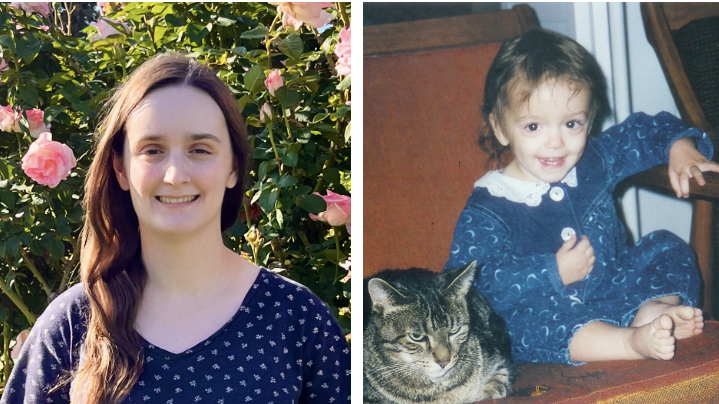
Ph.D., 2025, University of Pennsylvania
B.A., 2020, Vassar College
Caroline studies how children learn language in the face of the messy realities of communication. Her research seeks to understand both the skills and sensitivities that children bring to bear when confronted with normal, unidealized speech, and the real-world nature and impact of speech variability in children’s home environments. Caroline completed her PhD working with Dr. Daniel Swingley at the University of Pennsylvania. Outside the lab, she enjoys reading, spending time in Wissahickon Valley Park, and playing board games with friends.
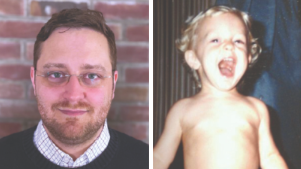
B.A., 2013, Indiana University
Ph.D., 2023, Cornell University
Steven studies the perceptual mechanisms that guide early communicative and language development. He is particularly interested in parent-child interaction and children’s active role in shaping what is relevant for them to learn. In what ways do children use their own behaviors to spark interest in and continued learning about the social world throughout early development? If he’s not in the lab, Steven is probably spending time cooking outside or taking his retired racing greyhound, Wendy, for a walk.
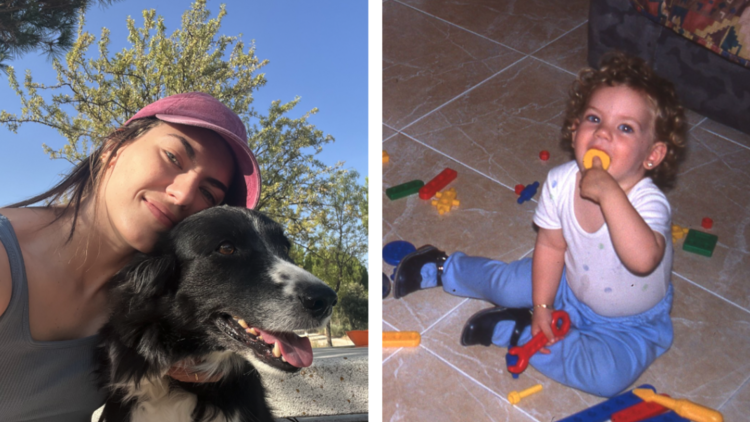
Ph.D., 2024, Basque Center on Cognition, Brain and Language
Laura studies how rhythm and experience shape early speech and language development. Her research explores how musical and linguistic rhythms interact in the brain, and how bilingual exposure influences infants’ ability to track and learn speech. Laura completed her PhD in Cognitive Neuroscience at the Basque Center on Cognition, Brain and Language (BCBL) and the University of the Basque Country, where she used EEG and MEG to study how music can enhance speech processing in bilingual adults and infants. Outside the lab, she enjoys playing the piano, learning watercolor painting and drawing, cooking (and eating), and spending time with her two lovely cats.
Graduate Students
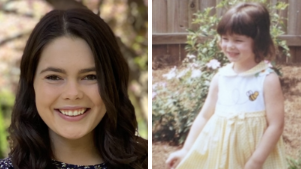
B.A. Psychology, 2021, Princeton University
Kennedy studies the naturalistic contexts and interactions that shape early word learning. Broadly speaking, she is interested in variation in children’s word learning input at multiple levels - variation in how words sound, variation in the situations words appear in, and more. Previously, Kennedy was a lab manager for Dr. Marisa Casillas at the University of Chicago (Comparative Human Development department), and before that, she was an undergraduate RA and thesis student in the Baby Lab. Outside the lab, Kennedy can be found taking long walks on the canal path, trying out new recipes, or reading/crosswording at a local coffee shop.
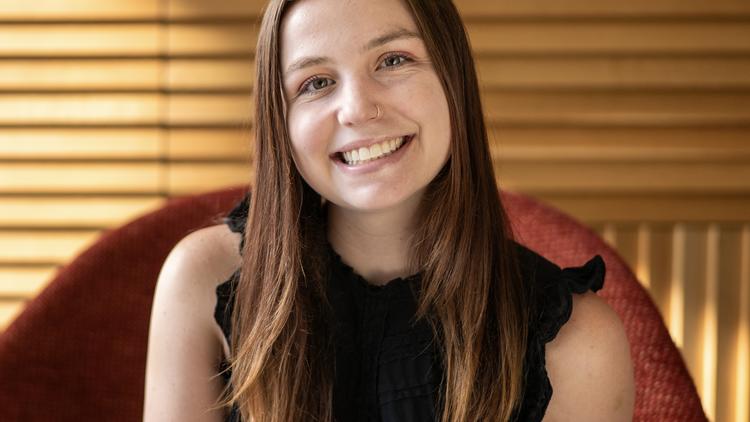
B.S. Psychology and Linguistics, 2021, William & Mary
Abby studies why children seem to be better language learners than adults. In particular, she explores how their developing cognition might actually help them. Previously, Abby was a research assistant at the University of Iowa with Dr. Bob McMurray working on the Growing Words Project, a large longitudinal study investigating how children learn spoken and written language. Before that, she worked in the Child Language Lab at William & Mary with Dr. Kaitlyn Harrigan where she explored children's developing phonology. In her free time, you can find Abby exploring new restaurants in nyc, working on a diy project, or cuddling with her adorable cat Olive!
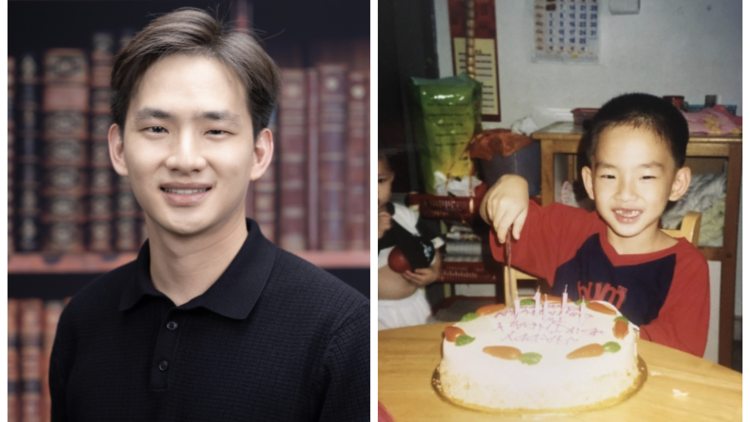
Jonathan is interested in how infants learn within their everyday environments and, more broadly, what early learning can reveal about human intelligence. At Princeton, he is particularly interested in combining naturalistic and experimental approaches and using artificial intelligence as a testbed for understanding how cognition emerges from everyday experience. His interest in learning and social interaction began during his undergraduate studies at Monash University Malaysia and developed further during his M.A. at Nanyang Technological University in Singapore, where he studied parent-offspring social learning in both animal and human contexts. Outside of research, Jonathan enjoys staying active and spending time in nature.
M.S. Computer Science, 2022, UC Irvine
Brooke Ryan is a Ph.D. student in Psychology at Princeton and a member of the BabyLab and the First 1,000 Days Project. Her research explores how infants’ everyday social environments shape language learning and cognitive development. She uses naturalistic data and computational methods to examine patterns of proximity, interaction, and family dynamics in the home, with a particular interest in how these patterns evolve as babies grow. Before coming to Princeton, Brooke earned a Master’s degree in Computer Science and spent several years working as a software engineer. She’s excited about bridging developmental science with data-driven tools.
B.S. Brain and Cognitive Sciences, 2025, MIT
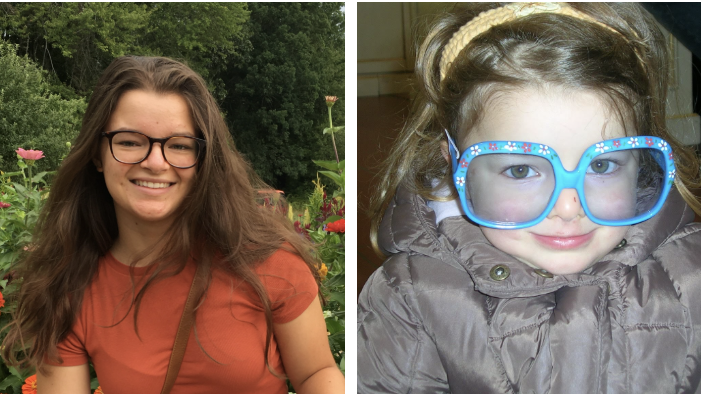
Bianca studies how developing minds and brains process language. She is broadly interested in the interaction between language and social cognition and in studying the brain to understand mechanisms for language learning. Before coming to Princeton, Bianca worked with Ev Fedorenko at MIT to study the neural basis of language in children using fMRI. Outside of the lab, she can be found reading, cooking new recipes and trying tea blends, practicing taekwondo, or doing crosswords with friends.
Senior Honors Students
Davis Hobley (Class of 2027) is from Rochester, Michigan. He is a Neuroscience major with minors in Statistics & Machine Learning (SML) and Bioengineering. He is broadly interested in topics in computational neuroscience and Machine Learning. His Honors Thesis in the Baby Lab uses functional near-infrared spectroscopy (fNIRS) to examine the neural dynamics surrounding caregiver question-asking during naturalistic caregiver--child play. Outside the lab, he works as an ML Research Scientist at Foci Labs, helps lead Princeton Alzheimer's Buddies, teaches with Princeton's Science Outreach Fellows, and writes for the Opinion section of The Daily Princetonian. After Princeton, Davis will continue his work with Foci Labs, developing machine-learning methods for healthcare.
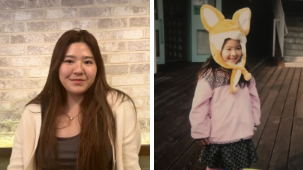
Grace Lee (Class of 2027) is from Long Island, New York. She is a psychology major with a minor in neuroscience. Grace is interested in how children acquire language, particularly regarding pronunciation variability (accents, dialects, etc.) and how social factors like socioeconomic status affect the interaction between both. She plans to further her work in child development by pursuing a career in pediatrics through medicine. Outside of the Baby Lab, Grace is a peer career advisor, a program chair for the Princeton Student Events Committee, and a head fellow for the Scholars Institute Fellows Program. In her free time, she likes to watch hockey, go on long walks, spend time with friends, and binge watch shows and movies.
Undergraduates
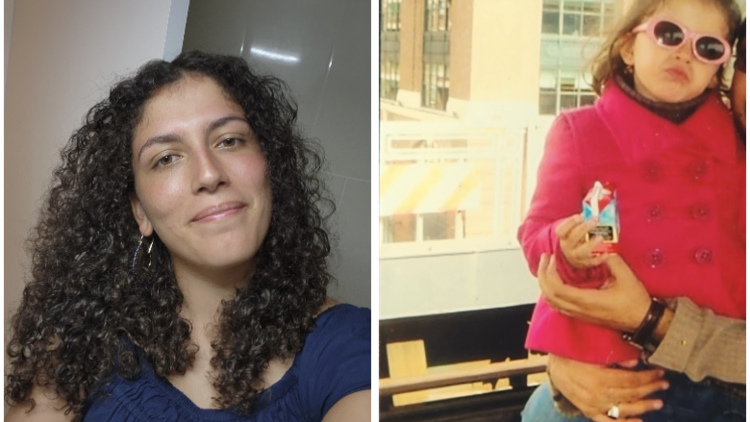
Jamilah Araf (Class of 2029) is from Queens, New York. She is a prospective neuroscience major with minors in Arabic and Creative Writing. She is interested in how children learn language through parent-child interactions. She is also interested in the development and treatment of neurological and psychological disorders in children. She plans to pursue neuroscience research after graduation. Outside of the Baby Lab, Jamilah is a writer for the Princeton Correspondents on Undergraduate Research blog. She teaches high schoolers about psychology (anxiety disorders) through Princeton Splash. She also is involved in the arts on campus, both through her role as Vice President of the Princeton’s Performing Arts Council and as a member of the Aerial Arts club. In her free time, she loves watching and discussing movies with her friends, traveling to warmer climates, and reading.
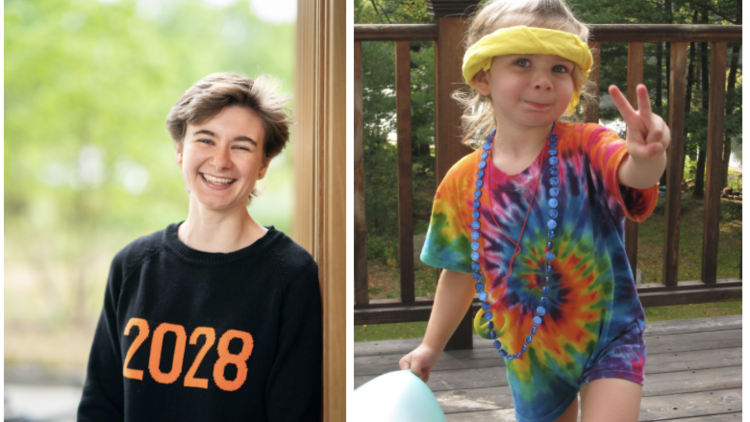
Francesca Ferguson (Class of 2028) is from the small town of Barrington, New Hampshire. She is a psychology major with minors in neuroscience, Spanish, and linguistics. She is particularly interested in how children and adults differ in their language-learning abilities, and how childhood experiences, including second-language learning, shape neural development. Outside of the Baby Lab, she can be found setting and climbing new routes at the OA climbing wall, solving brain teasers with the Puzzle Club, or performing with Child’s Play Improv Comedy. In her free time, she enjoys musical theater, reading in a hammock, playing Scrabble and Bananagrams, trail running, hiking, swimming, and cooking for all her favorite people.
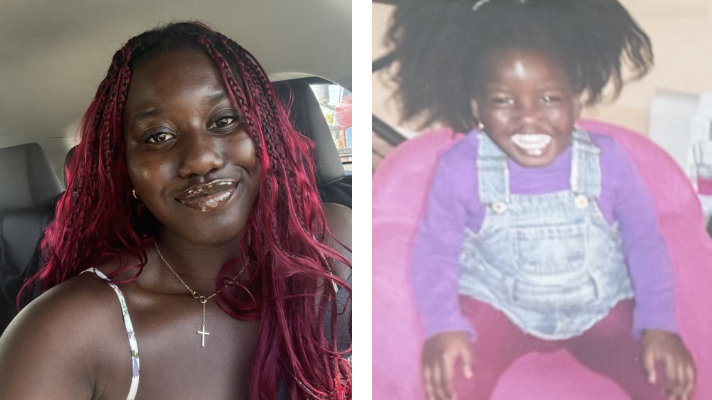
Shantell Kwofie (Class of 2027) is from Almere, the Netherlands. She is a Medical Anthropology major with minors in French and Global Health & Health Policy on the pre-med track. She is interested in how children learn and think, especially how growing up with several languages affects children’s learning and behavior (multilingual cognitive development), a topic close to her as a polyglot. She is also interested in how children learn numbers and math-related language. She wants to eventually become a pediatrician. Outside of academics, she is part of Princeton’s Varsity Track and Field team, serves as Community Impact Chair for the Black Student Athlete Collective, and is part of the worship team for the CU Nova ministry on campus. In her free time she likes spending time with friends, watching strategy game shows and movies (from murder mysteries to rom-coms and feel-good dramas), shopping, traveling, and exploring new places.
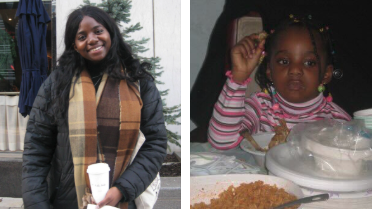
Danielle Nwosu (Class of 2027) is from Ellicott City, Maryland. She is a Neuroscience major with a minor in Global Health Policy on the pre-medical track. She is particularly interested in the development of neurological and behavioral disorders in children, as well as how consciousness emerges in infancy. She hopes to continue exploring her interests in child development through a career in pediatric medicine. Outside of the Baby Lab, she is a dancer and serves as treasurer of the Dorobucci Dance Team and Marketing Chair for the Black Pre-Medical Society. In her free time, she enjoys playing bingo, video games, and reading Agatha Christie novels.
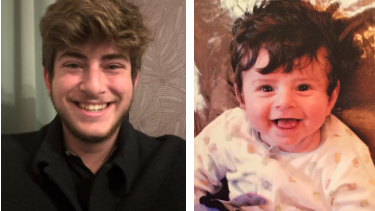
(University of Pittsburgh Class of 2028)
Benjamin Richlin is from Doylestown, Pennsylvania. He is a Neuroscience major with a minor in Chemistry and a certificate in the Conceptual Foundations of Medicine on the pre-med track. He is particularly interested in the neurological basis of behavior and the neurophysiological effects of screen time on developing children. Additionally, Ben hopes to attend medical school and pursue a career in Ophthalmology. Outside of the Baby Lab, he is a professional balloon artist, rows for Pitt Crew, conducts retinal imaging research at UPMC, and serves on the board of directors for the Bucks County Cares educational foundation. In his free time, he enjoys hiking, playing ping pong, and jamming out on long drives.
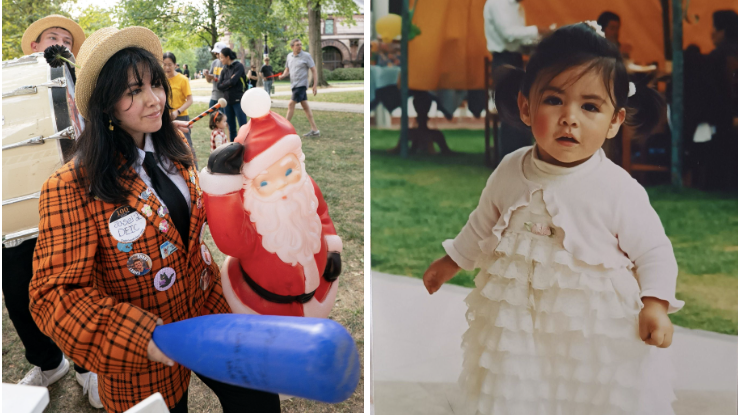
Jasel Ross Teran (Class of 2028) is an international student from La Paz, Bolivia. She is a prospective SPIA major who intends to earn certificates in Cognitive Science and Latin American Studies. She is interested in how exposure to both U.S. and Hispanic cultures influences childhood behavior and language development. At Princeton, Jasel is in the Princeton University Band and a Service Fellow at the Pace Center. For fun, she plays Roblox (specifically Grow a Garden) and enjoys listening to Latin American music.
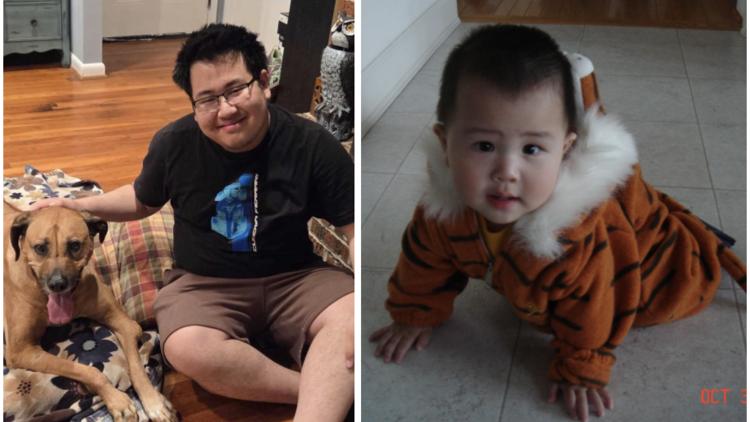
Andrew Zhang (Class of 2029) is from Woodstock, Maryland. He is a prospective psychology major on the pre-medical track. He is particularly interested in the effects of early music immersion on infants' cognition and emotional development as well as the advancement of accessible support systems for children with autism. He intends to continue to explore the field of developmental psychology by working towards a career as a pediatric psychiatrist. Outside of the Baby Lab, he is the lead trombonist of the Princeton Jazz Program’s Creative Large Ensemble and has performed for the state bands of Maryland and New Jersey. In his free time, he enjoys walking, trying new foods, and playing video games.
Affiliated Faculty
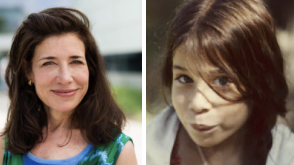
Ph.D., 1992, UC Berkeley
Adele Goldberg has been a professor of psychology and linguistics and Princeton University since 2004. Her research emphasizes the role of a learned network of pairings of form and function constructions in language. Her work has focused on the role of statistical and functional factors in an effort to explain our creative but constrained use of language in typical and atypical populations, and in child and adult learners. She is the author of Constructions: a construction grammar approach to argument structure (1995) Constructions at Work: the nature of generalization in language (2006) Explain me this: creativity, competition, and the partial productivity of constructions (2019).
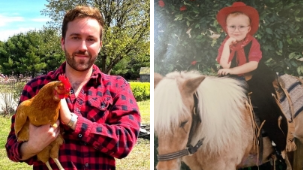
Ph.D. 2018, Stanford University
Jesse Gomez is a professor of neuroscience studying human brain development. His research uses magnetic resonance imaging and behavior to understand and chart the dramatic changes the brain undergoes between birth and the end of childhood. Characterizing how experience sculpts emerging brain circuits is a primary motivation of his lab. In addition to understanding how the brain develops normally in children, he also seeks to understand what happens when this development goes awry, as it might do in deficits such as dyscalculia, dyslexia, face-blindness, and autism.
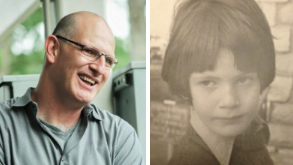
Uri Hasson grew up in Jerusalem. As an undergrad he studied philosophy and cognitive sciences at the Hebrew University, He completed his Ph.D. in neurobiology at the Weizmann Institute in Israel and was a postdoctoral fellow at NYU before moving to Princeton. He us currently a Professor in the Psychology Department and the Neuroscience Institute at Princeton University. His research program aims to understand the emergence of face-to-face, brain-to-brain, social interaction, with a focus on verbal communication and storytelling in real-life contexts.
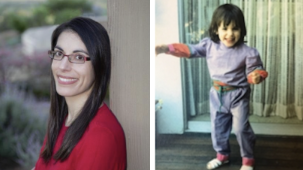
Dr. Tania Lombrozo investigates how young children and adults learn and reason about the world, using the conceptual tools of analytic philosophy and empirical tools of experimental psychology. Current research in her lab focuses on questions such as: Why are we so motivated to explain the social and physical world around us? What prompts us to seek explanations, and what are the effects of explanation-seeking on subsequent learning? How do our intuitive theories about the world shape the way we learn and make decisions? She recieved Bachelor's Degrees in Philosophy and Symbolic Systems from Stanford University, and PhD in Psychology from Harvard University. Prior to joining the faculty of Princeton University in 2018, she was a faculty member at the university of California, Berkeley. In addition to being an affiliate of the Baby Lab, Prof. Lombrozo directs the Concepts and Cognition Lab: https://cognition.princeton.edu/
Ph.D., 2021, Harvard University
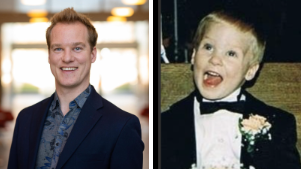
Professor Erik Nook hails from the rural town of Schaller, Iowa. He is currently an Assistant Professor here in the Princeton Psychology Department, where he directs the Logic of Emotion Lab. Erik seeks to support trainees in pursuing innovative and impactful research on human emotion and to help uncover why people feel what they feel and how to help people manage their emotions. Erik is also a clinical psychologist, and his clinical work focuses on anxiety and personality disorders in adolescents and adults. Erik holds a BA in Psychology from Columbia University and a Ph.D. in clinical psychology from Harvard University. For fun, Erik loves to cook, go on bike rides, hang out with his cat Sunday, and play Dungeons and Dragons.
Ph.D., 2008, Harvard University
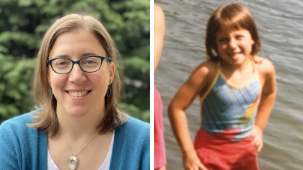
Dr. Kristina Olson studies how children think about themselves and the other people around them. Currently much of her work explores gender development, including in children who are transgender, gender nonconforming or those who have variations in sex development. She received her PhD in Psychology and African and African American Studies at Washington University and her PhD from Harvard University. Before arriving at Princeton she was a faculty member at Yale and at the University of Washington. In addition to being an affiliate of the BabyLab, she directs the Human Diversity Lab.