

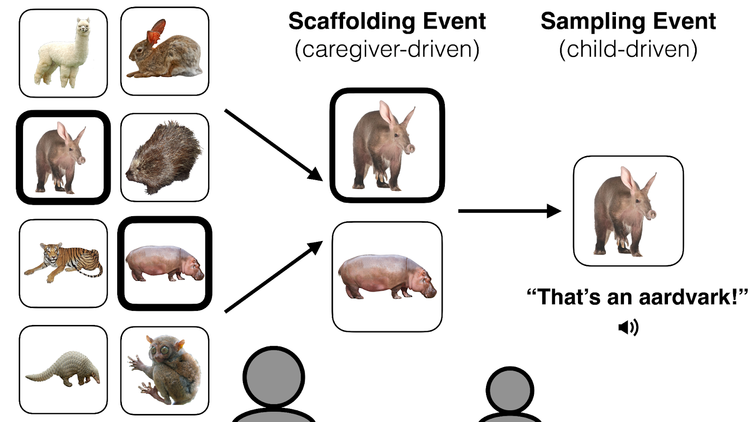
To investigate how both children and parents actively contribute to word learning, we designed a word learning game in which parents and children independently control different parts of the learning process.
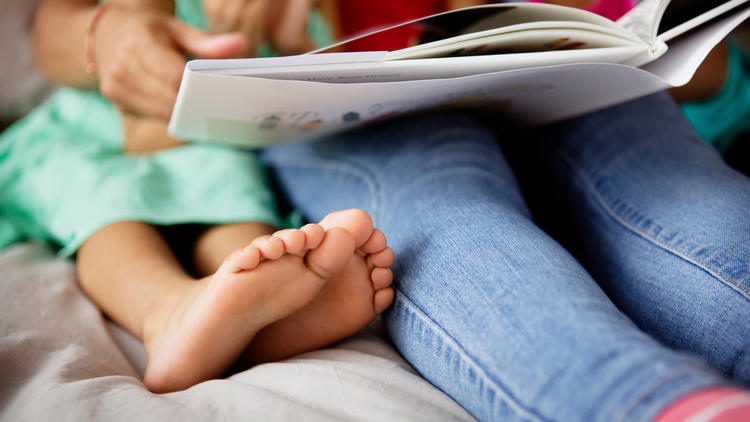
During interactions with infants and toddlers, caregivers use many different communicative cues, including speech, acting on objects, gesturing, exaggerating their facial expressions to convey emotion, and using child-directed touch.
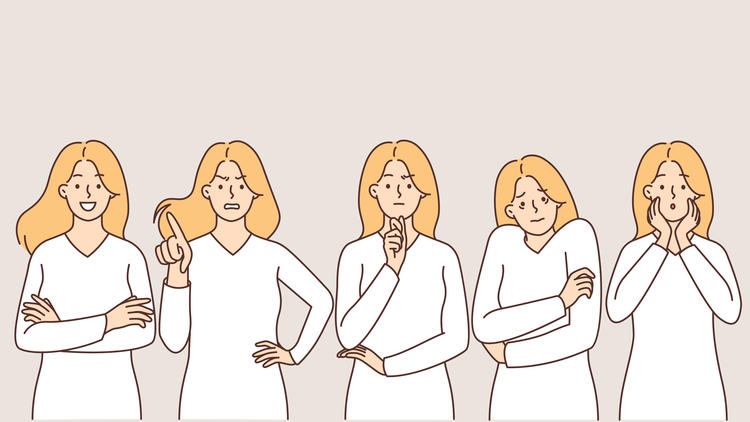
Researchers have uncovered two reasons why we might find such a shift surprising: first, adults’ emotions tend to follow predictable emotional patterns most of the time, and second, we are pretty good at guessing how someone is likely to feel next.
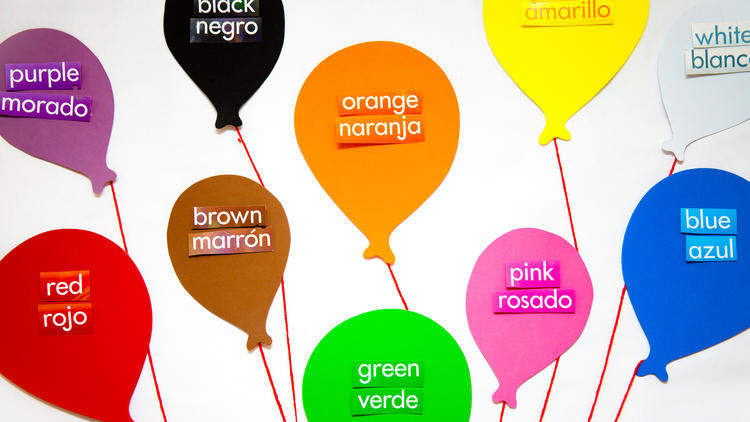
In recent years, we’ve been trying to understand how bilingual children process a mix of two languages, as in, “Where’s the perro?” or “Dónde está el doggy?” These kinds of sentences are fairly common in bilingual households.
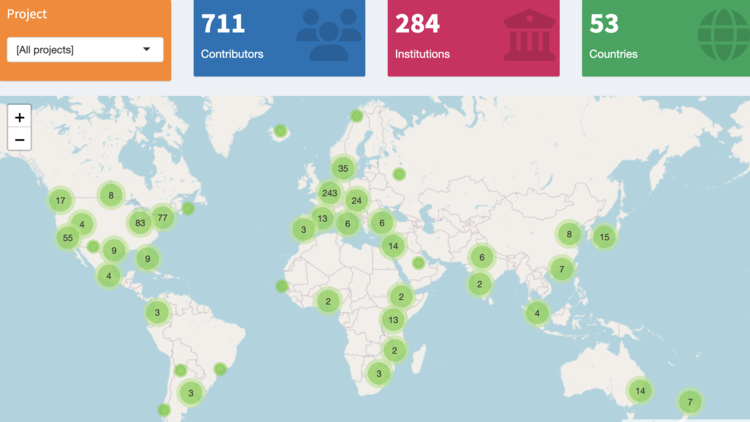
Last year, the Princeton Baby lab joined with over 200 institutions from over 50 countries to study infant development around the world. The team effort is called ManyBabies, and the goal is simple: to get a better picture of how infants develop and learn, we need to join forces to conduct the same studies around the world.
Lots of our word learning research tends to focus on how young children learn words for objects, like cup or ball. However, some of babies’ very first words include other types of words, like uh-oh, night-night, hi, more, all-gone, bye-bye, and wow.